Frequently Asked Questions
Can wall panel glue be used on outdoor walls?
Wall panel glue can be used on outdoor walls, provided it is specifically formulated for exterior applications. Ensure the adhesive is weather-resistant and suitable for the materials involved to guarantee a secure and lasting bond.
What is the drying time for most wall panel adhesives?
The drying time for most wall panel adhesives typically ranges from 24 to 48 hours. However, specific drying times may vary based on the adhesive type and environmental conditions, so always refer to the manufacturer's guidelines for best results.
How do I choose the right wall panel adhesive for my project?
Choosing the right wall panel adhesive for your project involves considering the material compatibility, environmental impact, and durability. Ensure the adhesive is specifically designed for WPC panels to guarantee a secure and lasting installation.
How do you apply wall panel glue to ensure strong bonding?
To apply wall panel glue for strong bonding, ensure surfaces are clean and dry, then evenly spread the adhesive on the panel's back. Press firmly against the wall, maintaining consistent pressure until the glue sets for optimal adhesion.
What is the best adhesive for exterior wall panels?
The best adhesive for exterior wall panels is a high-quality, weather-resistant adhesive specifically formulated for Wood Plastic Composite (WPC) materials. Look for eco-friendly options that ensure durability and strong bonding in various environmental conditions.
Are wall panel adhesives resistant to water and moisture?
Wall panel adhesives are designed to be resistant to water and moisture. This ensures a secure bond for WPC wall panels, making them suitable for various environments, including areas with high humidity.
What is the best brand of wall paneling glue?
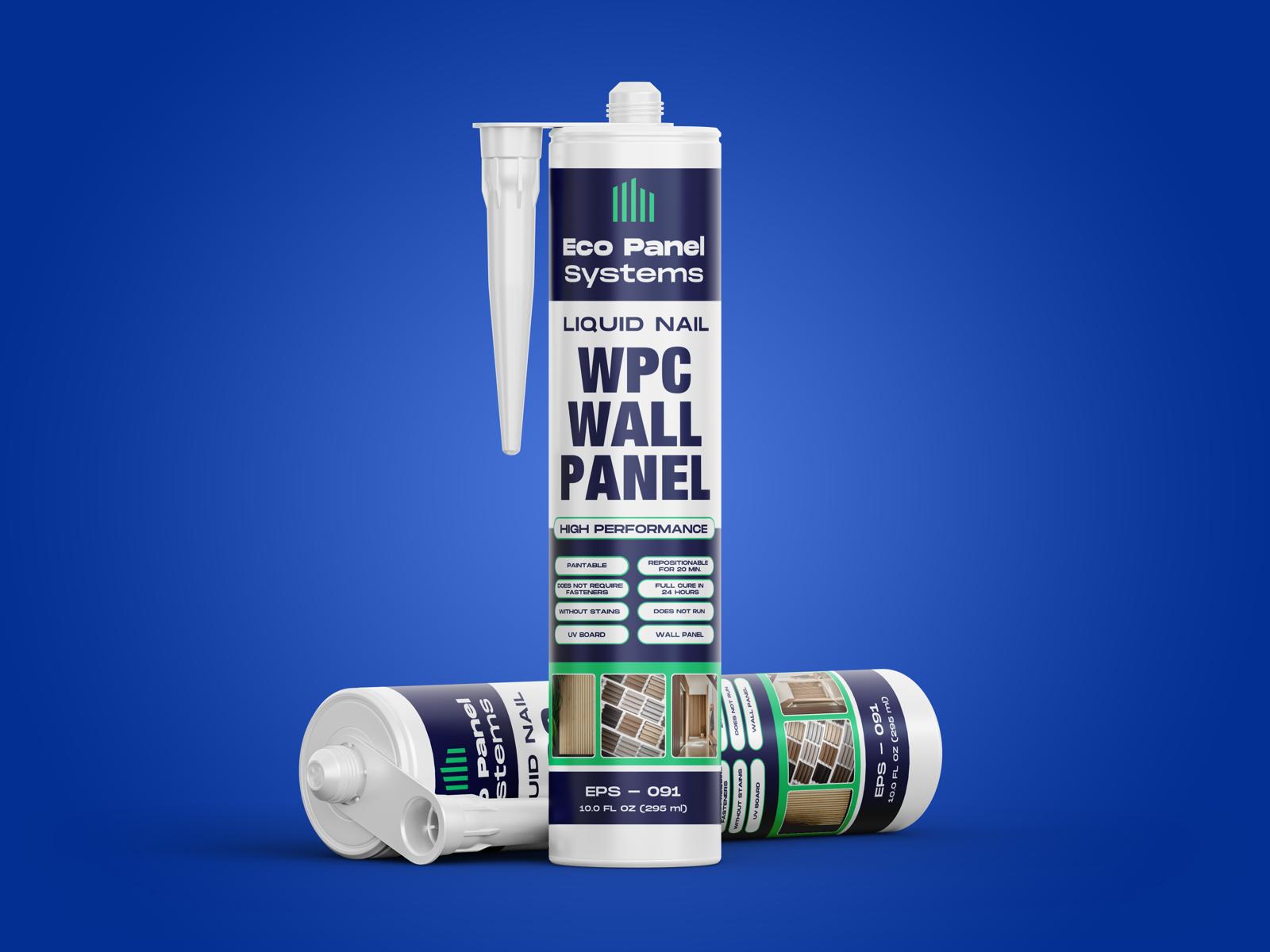
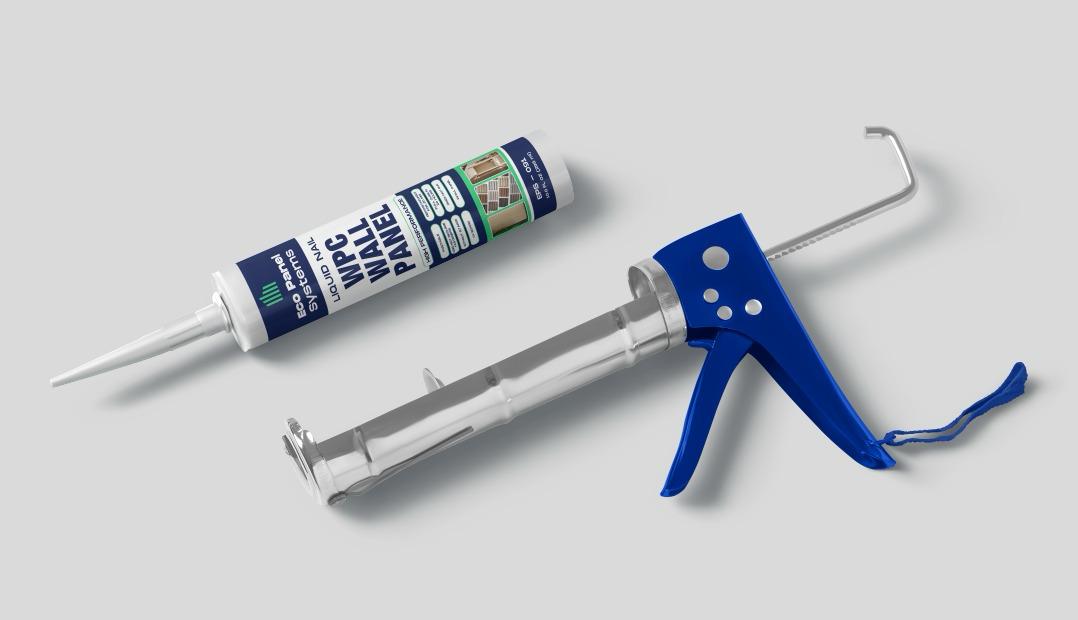
The best brand of wall paneling glue is one that offers strong adhesion, eco-friendly properties, and durability. Eco Panel Systems provides high-quality adhesives specifically designed for WPC wall panels, ensuring reliable and lasting installations.
What are the types of wall panel glues available in market?
The types of wall panel glues available in the market include polyurethane adhesives, construction adhesives, and eco-friendly options specifically designed for WPC wall panels, ensuring strong bonds and durability for various installation needs.
Is wall panel glue resistant to moisture and humidity?
Wall panel glue is designed to be resistant to moisture and humidity. This ensures a strong bond for WPC wall panels, making it suitable for various environments, including those with higher humidity levels.
How much does wall panel glue cost on average?
The average cost of wall panel glue typically ranges from $10 to $30 per gallon, depending on the brand and specific formulation. Eco-friendly options may be on the higher end, reflecting their sustainable ingredients.
What are the types of wall panel adhesives available in the market?
The types of wall panel adhesives available in the market include polyurethane, acrylic, and silicone-based adhesives. Each type offers unique benefits such as strong bonding, flexibility, and resistance to moisture, making them suitable for various WPC wall panel installations.
How much glue do I need for wall paneling?
The amount of glue needed for wall paneling depends on the panel size and surface area. Generally, you should use about 1-2 tubes of adhesive per 100 square feet of paneling to ensure a secure installation.
What is the strongest wall paneling glue available?
The strongest wall paneling glue available is a high-performance adhesive specifically formulated for WPC wall panels. These adhesives offer exceptional bonding strength, ensuring a secure and durable installation for your paneling projects.
Can I use wall panel adhesives on wooden surfaces?
Wall panel adhesives can be used on wooden surfaces. However, ensure the wood is clean and dry for optimal adhesion and performance of the adhesive.
What are the benefits of using wall panel glue?
The benefits of using wall panel glue include enhanced adhesion, ensuring secure installation of WPC panels, and promoting a seamless finish. Additionally, eco-friendly options contribute to sustainability while providing long-lasting durability.
Can I use wall paneling glue on plaster walls?
Wall paneling glue can be used on plaster walls, provided the surface is clean and free of dust or debris. Ensure proper adhesion by following the manufacturer's instructions for the best results.
How do I apply wall paneling glue correctly?
Applying wall paneling glue correctly involves cleaning the surface, applying an even layer of adhesive to the back of the panel, and pressing it firmly against the wall. Ensure proper alignment before securing the panel in place.
What is the drying time for wall panel glue?
The drying time for wall panel glue varies depending on the specific product used. Generally, it takes about 24 hours for the adhesive to fully cure, ensuring a strong bond for your WPC wall panels.
Can I use wall panel adhesives on concrete walls?
Wall panel adhesives can be used on concrete walls. Ensure the surface is clean and dry for optimal adhesion, and choose an adhesive specifically formulated for both WPC panels and concrete surfaces for the best results.
What is the drying time for wall paneling glue?
The drying time for wall paneling glue varies depending on the product used, but typically ranges from 30 minutes to 24 hours for full curing. Always refer to the manufacturer's instructions for specific guidance.
Is it necessary to use primer with wall paneling glue?
Using primer with wall paneling glue can enhance adhesion and ensure a more secure installation. While it is not always necessary, applying a primer is recommended for optimal results, especially on porous surfaces.
Are wall panel adhesives suitable for all types of panels?
Wall panel adhesives are not universally suitable for all types of panels. It's essential to choose adhesives specifically designed for the material of your wall panels, such as WPC, to ensure optimal adhesion and durability.
What is the best wall panel glue for interior design projects?
The best wall panel glue for interior design projects is a high-quality, eco-friendly adhesive specifically formulated for WPC wall panels. These adhesives provide strong bonding, durability, and ease of application, ensuring a secure and lasting installation.
What is the best type of glue for wall paneling installation?
The best type of glue for wall paneling installation is a high-quality, eco-friendly adhesive specifically designed for WPC (Wood Plastic Composite) panels, ensuring strong bonding and durability while minimizing environmental impact.
Is wall panel glue suitable for all types of wall materials?
Wall panel glue is not suitable for all types of wall materials. It is specifically formulated for use with compatible surfaces, such as WPC, drywall, and plywood, ensuring optimal adhesion and durability. Always check compatibility before use.
What surfaces are compatible with wall panel adhesives?
The surfaces compatible with wall panel adhesives include drywall, plywood, concrete, and existing wall coverings. Ensure surfaces are clean, dry, and free of dust for optimal adhesion.
How long does wall panel glue last?
The longevity of wall panel glue depends on the specific product and environmental conditions. Generally, high-quality adhesives can last for many years, providing a durable bond for your WPC wall panels.
Can wall panel glue be used indoors?
Wall panel glue can indeed be used indoors. Our adhesives are designed for both indoor and outdoor applications, ensuring a strong and durable bond for your WPC wall panels while maintaining eco-friendly standards.
What factors affect wall panel adhesive performance?
The factors that affect wall panel adhesive performance include the type of adhesive used, temperature and humidity conditions during application, surface preparation, and the compatibility of the adhesive with the WPC material.
How to store wall panel adhesives properly?
Proper storage of wall panel adhesives is essential for maintaining their effectiveness. Keep them in a cool, dry place, away from direct sunlight and extreme temperatures, ensuring the lids are tightly sealed to prevent drying out.